





























As global connectivity increases, many people consider the benefits and complications of dual citizenship. Dual citizenship, often known as dual nationality, is an individual’s legal position as a citizen of two nations.
This approach has become more prevalent due to globalisation, evolving immigration regulations, and the growing desire for international mobility and opportunity.
Dual citizenship is a multi-dimensional legal and lifestyle advantage with far-reaching outcomes—from expanded travel freedom to economic and cultural opportunities.
In this guide, we explore six interesting facts about dual citizenship and its benefits, helping you evaluate how obtaining a second nationality can support your long-term personal and professional growth.
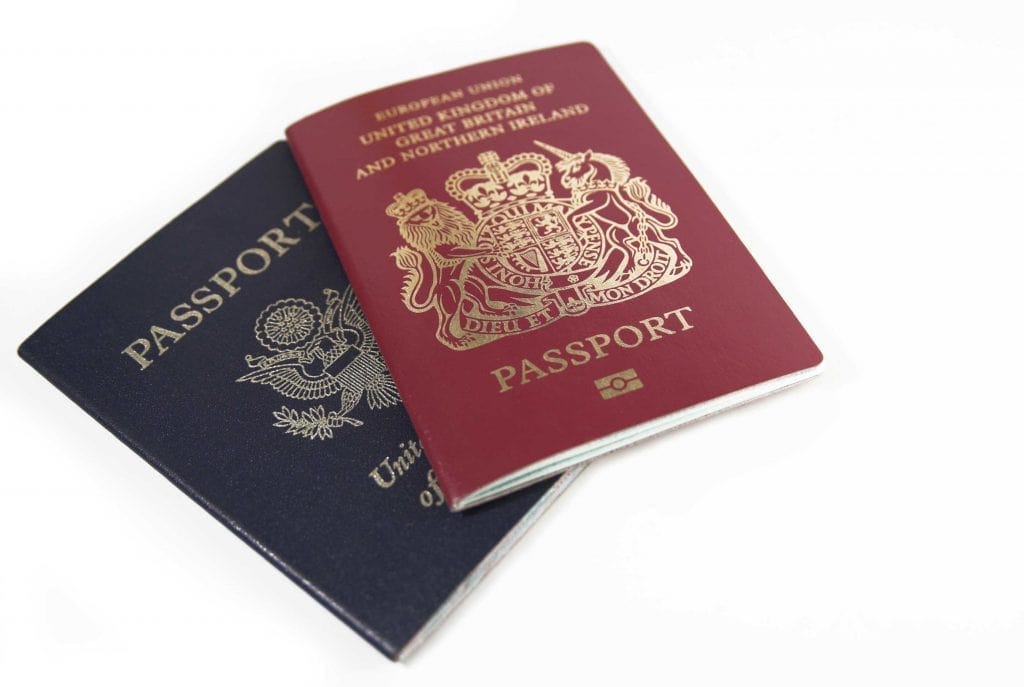
1. Rising Dual Citizenship Worldwide
Why Is Dual Citizenship Becoming More Popular?
Dual citizenship has seen a remarkable global rise and is gaining attention from both governments and individuals seeking mobility, security, and opportunity.
High Popularity Worldwide
One of the primary drivers is greater travel flexibility.
Dual citizenship allows individuals to:
- Travel with fewer visa restrictions
- Enter more countries with ease
- Experience new cultures without long immigration procedures
- Work or study abroad without additional permits
Does dual citizenship improve global mobility?
Yes, holding two passports often increases visa-free travel options and reduces administrative barriers.
Economic Incentives and Policies
Many countries offer Citizenship-by-Investment (CBI) or economic citizenship programmes.
These initiatives:
- Attract foreign investment
- Stimulate national economies
- Provide individuals with access to strong passports
- Improve entry into global financial markets
Role of Globalisation
Globalisation has increased exposure to:
- International careers
- Cross-border education
- Multicultural lifestyles
- Remote work opportunities
The modern interconnected world has made dual citizenship more relevant than ever.
People also read – What Is Global Citizenship & Its Types with Importance

2. Benefits of Dual Citizenship
How Does Dual Citizenship Improve Life Opportunities?
Dual citizenship is more than a legal status, it is a strategic life advantage.
Expands Horizons
Dual citizens can:
- Live in either country
- Study without international tuition barriers (in some cases)
- Work without visa sponsorship
- Relocate based on lifestyle or career goals
Exposure to multiple cultures enhances:
- Adaptability
- Problem-solving ability
- Global communication skills
Economic Prospects
Dual citizenship may provide:
- Access to government incentives
- Business ownership advantages
- Easier market entry
- Property ownership rights in certain countries
- Greater financial diversification
Planning Insight:
Entrepreneurs often pursue second citizenship to improve international business operations.
Multicultural Perspectives
Cultural enrichment is a major advantage of holding a second passport.
Dual citizens benefit from:
- Language exposure
- Broader worldview
- Stronger international networks
- Deeper cultural understanding
Dual Citizenship Benefits at a Glance
| Area | Advantage |
| Travel | Visa-free or easier entry |
| Career | Access to multiple job markets |
| Education | Study opportunities abroad |
| Business | Investment and ownership benefits |
| Lifestyle | Flexibility to live in two countries |
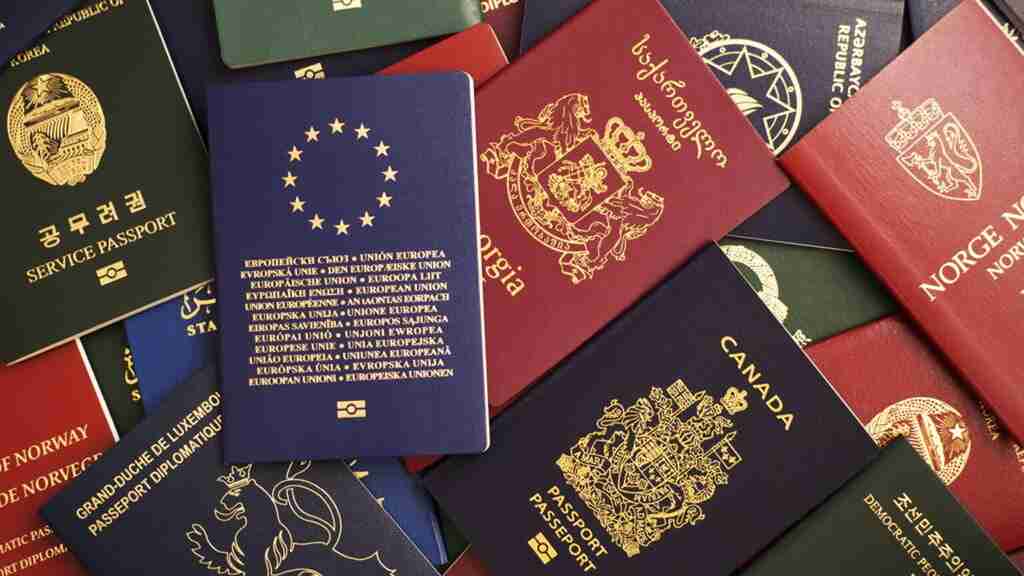
3. Multiple Citizenship vs Dual Citizenship
What Is the Difference?
Although often used interchangeably, these terms are not identical.
Key Difference
- Dual Citizenship: Citizenship in two countries
- Multiple Citizenship: Citizenship in more than two countries
This distinction affects legal obligations and international recognition.
Countries Accepting Dual Citizenship
Many countries accept dual citizenship because it:
- Encourages economic participation
- Promotes cultural exchange
- Supports global mobility
Multiple citizenship is less common and often regulated more strictly.
Issues Multinational Citizenship Can Pose
Holding multiple citizenships may involve:
- Complex tax reporting
- Conflicting legal obligations
- Military or civic duties
- Administrative compliance across jurisdictions
Decision Tip:
Understanding each country’s laws is essential before pursuing additional citizenship.

4. Ways to Obtain Dual Citizenship
What Are the Most Common Routes?
There are several recognised pathways to acquiring dual citizenship.
Citizenship-by-Investment Programmes
Countries such as:
offer investment-based routes for qualified applicants.
These programmes:
- Attract foreign capital
- Provide mobility and security
- Support family relocation planning
Other Common Methods
Naturalisation
Typically requires:
- Legal residency
- Language proficiency
- Integration into society
Descent or Ancestry
Individuals with family lineage may claim citizenship through heritage.
Marriage
Some countries allow citizenship through marriage to a foreign national.
Jus Soli (Birthplace)
Citizenship granted based on place of birth, regardless of parental nationality in certain nations.
Special Cases and Exceptions
Exceptional routes may apply for:
- Extraordinary talent
- National contributions
- Strategic skill shortages
Dual Citizenship Planning Checklist
- Check if both countries allow dual nationality
- Review residency or investment requirements
- Evaluate tax implications
- Understand passport and travel rules
- Consult immigration or legal experts
People also read – Types of Citizenship – Birthright, Naturalization, Descent

5. Common Misconceptions About Dual Citizenship
What Do People Often Get Wrong?
Clarifying myths helps individuals make informed decisions.
Incorrect Legal Implications
Dual citizenship does not automatically create conflicting obligations.
Each country defines its own rights and responsibilities.
Loyalty Concerns
Dual citizens often maintain strong ties to both nations and can support diplomatic and cultural exchange.
Complexity in Obtaining Dual Citizenship
The process varies by country but is often more accessible than assumed through:
- Ancestry
- Marriage
- Naturalisation
- Investment
Taxation Issues
Many countries have double taxation avoidance treaties.
Professional tax advice is recommended for compliance.
Social Security Effects
Eligibility typically depends on:
- Work history
- Contributions
- National agreements
Dual citizens may qualify for benefits in more than one country under certain conditions.

6. Legal Considerations for Dual Citizenship
What Legal Factors Should You Review First?
Understanding legal frameworks is essential before applying.
International Treaties and Conventions
Some countries rely on:
- Domestic nationality laws
- Bilateral agreements
- International conventions
These influence how dual citizenship is recognised.
National Security Considerations
Certain sensitive roles may restrict dual citizens.
However, dual nationality can also strengthen international cooperation.
Renunciation of Citizenship
In some cases, individuals must renounce one citizenship to obtain another.
This decision may affect:
- Property rights
- Tax obligations
- Family status
Passport-Related Issues
Some countries require dual citizens to:
- Enter and exit using their national passport
- Follow specific visa rules
Staying informed prevents travel disruptions.
Dual Citizenship Unveiled: An Expanding World of Opportunity
Dual citizenship expands possibilities by allowing individuals to live, work, and study in two countries.
It can also improve access to:
- Social services
- Healthcare
- Education
- Global career paths
Beyond legal advantages, dual nationality strengthens cultural connection and global cooperation.
Ultimately, dual citizenship helps individuals maximise both personal freedom and professional potential while contributing meaningfully to the global community.
Consider the advantages and explore your eligibility to benefit from greater mobility, security, and opportunity.
Contact Passport Legacy to explore suitable dual citizenship pathways for your goals.