





























For individuals seeking a second passport, long-term security, and global mobility, European citizenship by investment remains one of the most powerful options available today. Western Europe, in particular, offers unmatched legal stability, economic strength, and quality of life. From world-class education and healthcare to freedom of movement across borders, Europe continues to attract investors, entrepreneurs, and families from around the world.
There is a reason why European Citizenship by Investment programs are connected to a region home to more than 512 million residents. Holding legal status in the European Union opens doors that few other regions can match — professionally, financially, and personally.
With a single European Union passport, citizens gain the right to live, work, travel, and do business freely across 28 EU member states, enjoy access to the Schengen Area, use a unified currency (the Euro), and participate fully in civic life, including voting and running for office.
This guide explains how to get European citizenship by investment, starting with permanent residency and progressing toward full naturalisation.
What Is Permanent Residency in Europe?

Permanent residency — also referred to as indefinite leave to remain or settlement — is a legal immigration status that allows non-citizens to live and work in a European country indefinitely. While permanent residents do not hold an EU passport, they enjoy many of the same rights as citizens without completing the full naturalisation process.
In most European countries, permanent residency can be obtained after up to five years of legal residence, depending on the program. Certain residence permits also allow visa-free travel to other countries, particularly within the Schengen Area.
To obtain a residence permit in Europe, applicants typically qualify through one of the following pathways:
- Enrolment in a university
- Employment or business activity
- Family reunification or marriage
- Investment-based residency programs
Why European Permanent Residency Is Important
European permanent residency provides long-term security and access to a wide range of benefits that significantly improve quality of life.
Access to Healthcare and Education
Many European countries offer state-funded healthcare and public education to permanent residents, ensuring stability and long-term well-being for individuals and families.
Employment and Business Opportunities
Permanent residency removes the need for work permits, making it easier to pursue employment, launch businesses, or invest freely within the host country.
Freedom of Travel
Permanent residents can often travel freely within the Schengen Area, which includes visa-free movement across multiple European countries without internal border controls.
Social Benefits and Welfare
Depending on the country, permanent residents may be eligible for social security benefits, pensions, family allowances, and other welfare programs.
Types of Residency Permits in Europe
Europe offers several types of residency permits designed to suit different personal and financial circumstances. Common options include:
- Family reunification permits
- Employment-based residence permits
- Entrepreneur and business visas
- Investor and Golden Visa programs
The most suitable option depends on your long-term goals, financial capacity, and desired path toward citizenship.
Common Eligibility Requirements for EU Citizenship by Investment
While requirements vary by country, most European residency and citizenship-by-investment programs share several core criteria:
- A minimum period of legal residence
- Proof of stable income or financial independence
- A clean criminal record
- Valid health insurance
- Language proficiency (in some countries)
Meeting these requirements ensures eligibility for permanent residency and, eventually, citizenship through naturalisation.
Application Process for European Residency and Citizenship
The application process for permanent residency in Europe can be complex and varies by jurisdiction. However, it typically follows a structured pathway:
- Select the country and investment route
- Complete the qualifying investment
- Submit the residency application
- Maintain residency requirements
- Obtain permanent residency
- Apply for citizenship through naturalisation
Professional guidance is often essential to ensure compliance with legal, financial, and documentation requirements.
How to Get EU Citizenship by Investment: Best Countries in Europe
Several European countries currently offer attractive investment-based pathways to residency and citizenship.
Greece
Greece offers one of the most affordable residency-by-investment programs in Europe, making it particularly appealing to cost-conscious investors.
A minimum €250,000 real estate investment qualifies applicants for permanent residency. Greece’s flexible property valuation rules allow investors to combine multiple properties to reach the required threshold.
One major advantage of the Greek program is the absence of mandatory physical residence, apart from a one-time visit required to complete legal paperwork. Residents can travel freely within the Schengen Area without being confined to Greece.
However, obtaining a Greek passport requires naturalisation, including basic Greek language proficiency and physical presence. Families should also note that Greece mandates military service for men under 45, an important consideration when planning long-term settlement.
Malta

The Republic of Malta offers one of the most direct routes to EU citizenship by investment through its Citizenship for Exceptional Services by Direct Investment program.
Malta allows dual citizenship and provides visa-free access to 184 countries, including the EU, the UK, and North America.
Applicants may apply for naturalisation after 12 months of residency, provided they meet the following requirements:
- Purchase property worth at least €700,000 or rent for €16,000 per year for five years
- Contribute €600,000 to the National Development and Social Fund
- Make a €10,000 philanthropic donation
Portugal
Portugal is one of Europe’s oldest nations, known for its safety, climate, and high quality of life. In 2012, the government introduced the Portugal Golden Visa, now one of Europe’s most popular residency-by-investment programs.
The Golden Visa can lead to Portuguese citizenship after five years, with minimal physical presence — just 14 days every two years. Investment options include donations to scientific research, Portuguese art, or equity funds.
Portugal has reduced the residency requirement for naturalisation from six years to five, increasing the program’s appeal. Applicants must pass a basic Portuguese language test.
Portugal also offers the Non-Habitual Resident (NHR) tax regime, which can significantly reduce or eliminate tax liability for eligible individuals.
Related article: Portugal Residence by Investment
Cyprus

Cyprus provides a fast-track permanent residency program allowing approval in as little as three months through the purchase of property worth €300,000 or more.
Applicants must maintain ownership of the property to retain residency. A standard residency route with lower investment thresholds is also available, though it involves a longer processing period.
Permanent residency in Cyprus can lead to citizenship, particularly for those who establish genuine residence. Cypriot citizenship offers visa-free access to 174 destinations worldwide and ranks highly on global passport indexes.
Cyprus is known for its favorable tax environment, including a 12.5% corporate tax rate, and a real estate market that remains highly accessible to foreign investors.
Latvia
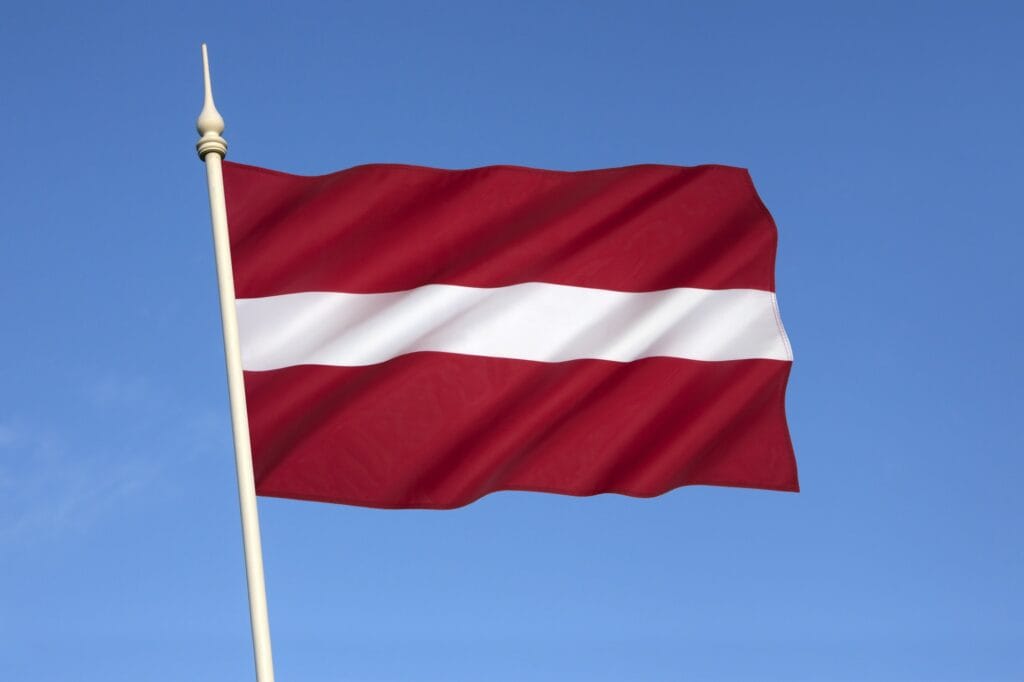
Latvia was once considered one of Europe’s easiest residency destinations, but regulatory changes have increased requirements.
Applicants must invest approximately €160,000 in real estate, plus a 5% application fee based on the property’s value. To maintain residency, a visit at least once per year is required.
Citizenship in Latvia requires a decade-long process, including five years of probationary permanent residency, language proficiency, and full-time residence. Latvia does not permit dual citizenship, meaning applicants must renounce their original nationality.
Related article: Latvia Residence by Investment & Golden Visa Program
Montenegro

Montenegro offers permanent residency through financial investment without a formally defined minimum threshold, though applications generally begin at around €50,000.
Residency permits require annual renewal, and Montenegro is not yet part of the EU or Schengen Area. As a result, residency does not provide automatic access to Europe-wide travel. Dual citizenship is also not permitted.
Spain

Spain’s Golden Visa program is among Europe’s most expensive, requiring a minimum €500,000 real estate investment.
The program does not impose physical residence requirements, but residency permits must be renewed every two years. Spain taxes non-residents on rental income generated from owned property, regardless of usage.
Hungary
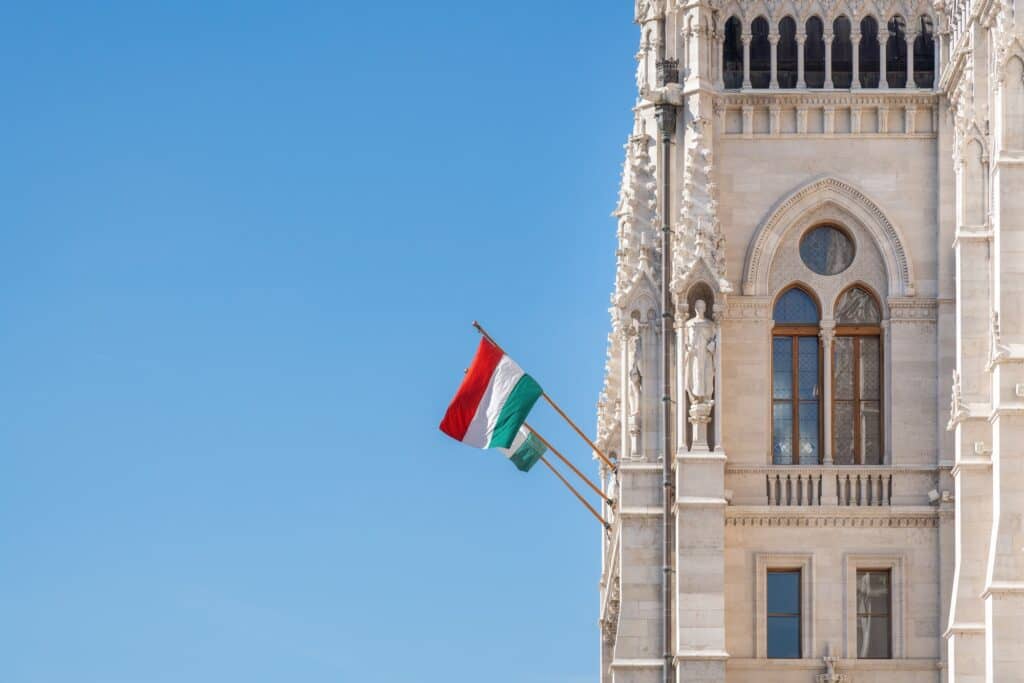
Hungary offers a streamlined residency program with processing times of approximately 60 days, making it one of the fastest options in the EU.
The program allows family inclusion, including spouses and dependent children. Residents enjoy full access to the Schengen Area, along with healthcare and education benefits within Hungary.
Related article: Hungary Residence by Investment Program
Navigating Your Path to European Permanent Residency
Choosing the easiest or best country to obtain permanent residency in Europe depends on your personal goals, financial situation, family needs, and long-term plans. Countries such as Portugal and Cyprus offer structured pathways that lead from residency to citizenship, while others focus primarily on long-term residence.
Passport Legacy provides expert guidance for individuals seeking not only permanent residency, but also the opportunity for full European citizenship.
Conclusion
In an increasingly interconnected world, European citizenship by investment represents more than just a second passport — it is a strategic investment in freedom, security, and future opportunity.
Permanent residency in Europe grants access to world-class healthcare, public education, Schengen travel, and expansive employment and business opportunities. Whether through real estate investment in Greece, naturalisation in Malta, or a Golden Visa in Portugal, each pathway is carefully designed to align with national public policy while offering long-term benefits to investors.
The eligibility requirements — financial independence, clean criminal records, and minimum residency periods — ensure that applicants are prepared to integrate and build lasting ties within their chosen country.
With European Union citizenship, individuals gain the right to live, work, and travel freely across 28 EU member states, unlocking true global mobility and long-term security.
In today’s globalised world, citizenship through investment in Europe is not merely an option — it is a future-proof strategy for freedom, stability, and financial diversification.