





























The United Kingdom is one of the finest places to live, work, and do business, located in Northwestern Europe. Many Indians wish to become British citizens because living in a stable, thriving, and internationally interconnected country is a dream for many families and professionals.
This guide explains:
- Eligibility criteria for UK citizenship
- Required documents
- Different routes and visa types
- Step-by-step application process
- Common reasons for refusal
- Benefits of UK citizenship for Indians
This structured overview helps Indian nationals understand how to move from residency to British citizenship and eventually obtain a British passport.
Benefits of UK Citizenship for Indians

Why Do Indians Apply for British Citizenship?
Getting British citizenship represents a major life milestone for an Indian national because it provides legal security, mobility, and long-term opportunities.
1. Travel Freedom
One of the main benefits of being a UK citizen is travel freedom.
- UK citizens can travel to many countries with simplified visa procedures.
- International travel for business, tourism, or employment becomes easier.
- Global mobility improves professional and lifestyle opportunities.
Travel freedom often becomes a deciding factor for professionals working across Europe, North America, and international markets.
2. Work Opportunities
UK citizens have unrestricted access to the UK job market.
- No work permit or visa is required.
- Access to both industrial and commercial sectors.
- Better career growth and job mobility.
This allows Indian professionals to:
- Switch employers freely
- Explore new industries
- Advance into higher-paying roles
3. Education Advantages
The UK provides access to world-class international education.
- Eligibility for scholarships increases for UK nationals.
- Access to globally recognised universities.
- Strong academic credentials improve long-term career prospects.
4. Social Benefits
British citizens receive access to social support programmes such as:
- NHS healthcare services
- Unemployment support
- Pension systems
These benefits provide:
- Financial security
- Healthcare coverage
- Long-term social protection for families
5. Political Participation
British citizens can participate in the democratic system.
- Right to vote in general elections
- Ability to influence national policy
- Active participation in governance
Eligibility for Indians to Get UK Citizenship
Indian citizens must meet specific eligibility conditions before applying.
Key Eligibility Criteria
- Residency Requirement
Applicants usually need Indefinite Leave to Remain (ILR). - Legal Immigration Status
Must have lived lawfully in the UK during the qualifying period. - Good Character Requirement
A clean criminal record and compliance with UK laws. - Language and Knowledge
- English language proficiency
- Passing the Life in the UK Test
- Financial Stability
- Ability to support oneself without relying on public funds.
UK Citizenship Documents Requirements for Indians

What Documents Are Required to Apply for UK Citizenship for Indians?
Generally, applicants should prepare the following:
- Certified birth certificate with Apostille
- Marriage certificate (if applicable)
- Birth certificates of children
- Divorce decrees or death certificates (if applicable)
- Child support or maintenance orders
- Valid passport with visa or entry stamp
- Photographs with certified copies
- Proof of address (utility bills)
- Employment documents such as ERCs and P60s
Checklist: UK Citizenship Documentation Readiness
| Category | Documents |
| Identity | Passport, Birth Certificate |
| Family Status | Marriage / Divorce / Children |
| Residency Proof | Utility Bills, Entry Stamps |
| Employment | P60s, Employer Records |
| Legal Compliance | Court Orders if applicable |
Pathways to UK Citizenship for Indians
Main Routes Available
Indians have multiple pathways depending on background and immigration history.
1. Indefinite Leave to Remain (ILR)
- A critical step before citizenship
- Allows long-term residence and work rights
2. Naturalisation
- Available after holding ILR
- Requires meeting residency duration criteria
3. British Ancestry Route
- Applicable if a grandparent was born in Britain
- May lead to eventual citizenship
4. Investment-Based Route
- Investor visa leading to residency
- Citizenship possible after required stay period
Decision Support:
Which route is best depends on:
- Employment status
- Family ties
- Investment capacity
- Residency duration
Related Article – Types of Citizenship – Birthright, Naturalization, Descent
Types of UK Visas for Indian Nationals
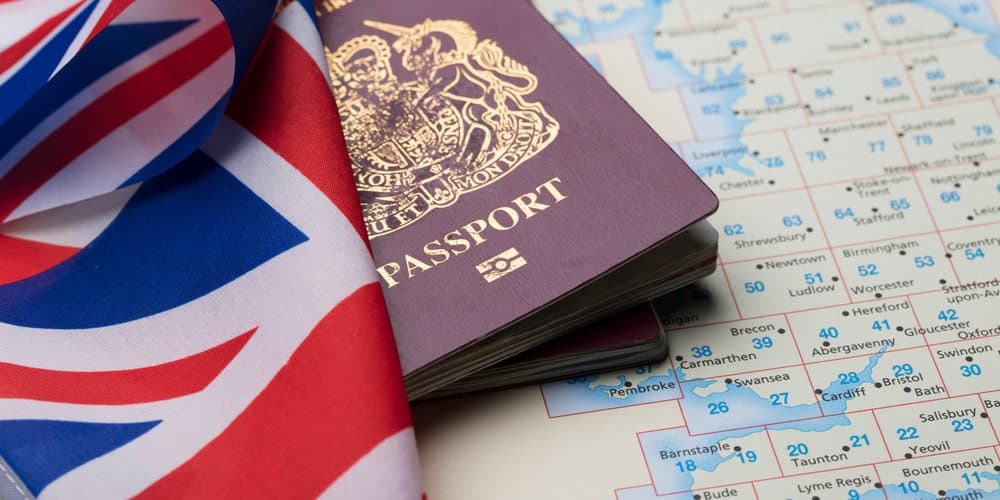
Visa Options That Can Lead Toward Settlement
A visa is mandatory for Indian nationals entering the UK.
Common Visa Categories
- Tier 1 Visa (General)
- Tier 2 Visa (General)
- Tier 2 Visa (Intra-Company Transfer)
- Tier 5 Visa (Young People)
- Tier 6 Visa (Youth Mobility Scheme)
- Tier 4 (General) Visa
- HSMP Visa
- Ancestry Visa
- UK Settlement
Understanding Key Visa Types
Tier 1 Visa (General)
Point-based system evaluating:
- Age
- Education
- Salary history
- Investment capacity
- English proficiency
Tier 2 Visa (General)
Includes:
- Skilled Worker category
- Intra-company transfers
Used by professionals such as:
- Doctors
- Teachers
- Technical specialists
Tier 2 Intra-Company Transfer
- For Indian employees of multinational companies
- Requires Home Office certification
Tier 5 Visa (Young People)
- For individuals aged 18–30
- Provides temporary work opportunities
Tier 6 Visa (Youth Mobility Scheme)
- Applicable to eligible young applicants
- Age-restricted entry pathway
Tier 4 (General) Visa
- For students or temporary residents
- Does not directly grant permanent settlement
HSMP Visa
- May apply to spouses or partners
- Requires residence and good character
Ancestry Visa
- Limited eligibility based on heritage and residency history
UK Settlement
- Possible after long-term residence
- Common for spouses or permanent residents
Step-by-Step Process to Acquire UK Citizenship
How Indians Can Apply for British Citizenship?
Citizenship Application Roadmap
- Eligibility assessment
- Apply for ILR (if not already obtained)
- Complete required residence period
- Pass English language and Life in the UK tests
- Submit application with supporting documents
- Wait for processing decision
- Attend interview if requested
- Participate in citizenship ceremony
- Receive Certificate of British Citizenship
Action Checklist
- Verify residency timeline
- Prepare document file
- Book Life in the UK test
- Track application status
For More Information – United Kingdom Residence by Investment Program
Top Reasons for Denial of UK Citizenship

Why Applications Get Rejected
Understanding refusal reasons helps avoid costly delays.
1. Character and Conduct Issues
- Criminal records
- Legal violations
- Non-compliance with immigration rules
2. Insufficient Knowledge
- Failure in Life in the UK Test
- Lack of cultural or civic understanding
3. Fraud or Delayed Responses
- False documentation
- Not replying to Home Office requests
Prevention Tip:
Always submit accurate documents and respond quickly to official communication.
Reflecting on the Journey to UK Citizenship for Indians
Getting UK citizenship as an Indian citizen is transformational. It opens opportunities across employment, education, travel, and long-term security.
Although the process involves strict criteria and documentation, understanding:
- Pathways
- Visa options
- Eligibility
- Application steps
makes the journey structured and achievable.
Whether the goal is career growth, better education for children, or global mobility, UK citizenship can unlock long-term possibilities in a diverse and internationally connected society.
Passport Legacy helps individuals navigate UK citizenship pathways with expert guidance and structured support.